
The Impact of Legal Regulations on Cryptocurrencies in Arab Countries

1. The Legal Status in Arab Countries
Egypt: Egyptian laws prohibit cryptocurrency trading without prior approval from the Central Bank, as it is considered a threat to financial stability. Any violation of these laws is punishable by fines or even imprisonment, which limits innovation in this field.
Morocco: In a progressive move, Morocco has announced the near completion of a legal framework to regulate cryptocurrencies, making it one of the leading countries in this area. This framework aims to provide a safer and more transparent financial environment, despite the country having previously warned against dealing in these currencies.
Saudi Arabia: Saudi Arabia adopts a cautious stance toward cryptocurrencies, with their legal status considered quasi-legal. While the government is working on developing an official digital currency, it warns of the risks associated with unregulated trading.
UAE: The UAE is considered one of the leading countries in adopting cryptocurrencies, having established a regulatory framework that encourages innovation and promotes the use of modern financial technologies. This approach reflects the country's desire to be a global hub for FinTech.
2. Common Challenges
Arab countries face multiple challenges in regulating cryptocurrencies, including:
Weak Legislative Infrastructure: The absence of clear laws or delays in issuing legislation leads to ambiguity in the business environment, which discourages companies from investing in this sector.
Concerns Regarding Money Laundering: Regulators fear the use of cryptocurrencies in illegal activities, prompting them to impose strict restrictions.
Lack of Awareness and Education: There is an urgent need to increase awareness about cryptocurrencies and how to use them safely, which helps build confidence in these assets.
3. Future Trends
Some Arab countries are moving toward developing central bank digital currencies as an alternative to cryptocurrencies, which could change the financial landscape in the region. For example, Egypt is exploring the possibility of issuing an official digital currency, while the UAE continues to strengthen its digital infrastructure.
How can the UAE become a global hub for FinTech?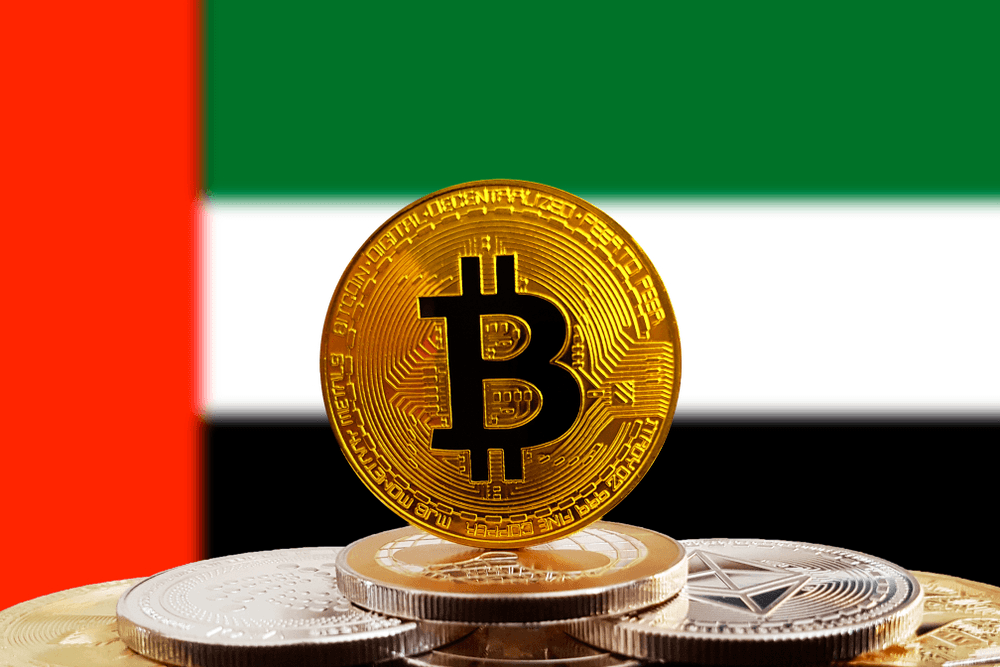
The United Arab Emirates is striving to become a global hub for FinTech through a set of strategies and initiatives that promote innovation and support startups. Below are some key factors contributing to achieving this goal:
1. Encouraging Regulatory Environment
The UAE is one of the leading countries in creating regulatory environments that support innovation in FinTech. For example, the Abu Dhabi Global Market (ADGM) provides a unique regulatory framework that encourages startups to develop and test their products in a safe environment. Additionally, the Dubai International Financial Centre (DIFC) launched the "FinTech Hive" program, which is the first FinTech accelerator in the region, making it easier for startups to access investors and partners.
2. Massive Government Investments
The UAE government is injecting significant investments into the FinTech sector, which strengthens its position as a global hub. According to reports, the value of FinTech investments in the UAE reached approximately $2 billion in 2023, with expectations of an average annual growth of 25%.
3. Technological Innovation
The UAE seeks to integrate advanced technologies such as Artificial Intelligence (AI) and blockchain into its financial systems. These technologies not only enhance the efficiency of financial operations but also contribute to improving security and reducing costs. For example, the Dubai Digital Economy Strategy is part of the efforts made to promote innovation in this field.
4. Promoting Financial Inclusion
The UAE is working to increase financial inclusion by providing digital financial services accessible to everyone, including the underserved. This promotes the use of digital payments and increases reliance on innovative financial solutions.
5. Strategic Location
The UAE enjoys a distinguished geographical location that makes it a gateway between East and West, facilitating access to emerging markets in the Middle East, Africa, and South Asia. This strategic location enhances the UAE's attractiveness as a global FinTech hub.
6. Supporting Education and Training
Universities and training centers in the UAE offer specialized programs in FinTech, which helps develop the necessary skills in this sector. This ensures a base of trained talent that can support the growth of the industry.
By focusing on an encouraging regulatory environment, significant government investments, technological innovation, and promoting financial inclusion, the UAE can strengthen its position as a global FinTech hub. Continuing to develop these strategies will enable it to attract more startups and investors, contributing to the achievement of its ambitious economic goals.
Key challenges facing the UAE in achieving its goal as a global FinTech hub

Despite the significant efforts made by the United Arab Emirates to become a global FinTech hub, there are several challenges hindering the achievement of this goal. Below are the most prominent of these challenges:
1. Regulatory Challenges
The diverse and complex regulatory environment is one of the most prominent obstacles facing FinTech startups. There is an overlap between different regulatory authorities, making it difficult for companies to navigate multiple laws and regulations. This fragmentation of laws can lead to delays in obtaining the necessary licenses, which hinders innovation and growth.
2. Lack of Technical Skills
There is a noticeable shortage of specialized technical skills in the UAE, especially in areas such as cloud computing, blockchain, and cybersecurity. This shortage of talent limits the ability of companies to innovate and expand. Although the UAE government has begun implementing educational programs to develop skills, the gap still exists.
3. Limited Access to Capital
FinTech startups struggle to obtain the funding necessary for growth. Despite significant government investments, access to private capital remains limited, which hinders the ability of companies to expand and develop new products.
4. Security Threats
FinTech startups are primary targets for cyberattacks. The increase in these threats can negatively affect customer trust and hinder growth in this sector. Companies need to invest more in cybersecurity to protect customer data and ensure the integrity of operations.
5. Competition between Emirates
The emirates of Dubai and Abu Dhabi compete to attract startups and talent in the FinTech field, creating a competitive environment that may lead to a fragmentation of resources and efforts. This requires integrated strategies for cooperation between the two cities to enhance the UAE's position as a global hub.
The UAE faces multiple challenges in its quest to become a global FinTech hub, including regulatory challenges, a lack of skills, limited access to capital, security threats, and competition between cities. Addressing these challenges requires coordinated efforts from the government and the private sector to foster an innovation environment and support startups.
How can awareness about cryptocurrencies be increased in Arab countries?
Increasing awareness about cryptocurrencies in Arab countries requires multiple strategies, including education, outreach, and appropriate legislation. Below are some effective ways to achieve this:
1. Education and Training
Educational Programs: Specialized educational programs should be introduced in universities and schools to introduce students to cryptocurrency concepts, blockchain technologies, and how to use them safely. These programs could include workshops, training courses, and lectures from experts in the field.
Community Initiatives: Organizing workshops and seminars in local communities to introduce people to cryptocurrencies, their benefits, and their risks. These events can help dispel misconceptions and increase general understanding.
2. Media Campaigns
Awareness through Media: Using traditional and digital media to disseminate information about cryptocurrencies. These campaigns could include articles, videos, and podcasts explaining how cryptocurrencies work, their benefits, and the associated risks.
Collaboration with Influencers: Leveraging social media influencers to spread awareness about cryptocurrencies. These individuals can have a significant impact on youth, helping to promote understanding and acceptance.
3. Developing Legislation
Clear Legal Framework: Arab governments must work on developing clear legislation that regulates the use of cryptocurrencies. A legal framework that protects investors and builds market confidence can encourage more people to learn and invest in these assets.
Encouraging Innovation: Establishing free zones or regulatory sandboxes that allow FinTech startups to test new ideas without strict regulatory constraints. This can foster innovation and increase awareness about cryptocurrencies.
4. Promoting Financial Inclusion
Providing Access to Financial Services: Using cryptocurrencies as a means to promote financial inclusion, especially in areas suffering from a lack of traditional banking services. This step could help attract more users to the world of digital currencies.
5. Partnerships with the Private Sector
Collaboration with Companies: Encouraging major companies to adopt cryptocurrencies and offer related services. This can lead to increased awareness through practical use and positive experiences.
Increasing awareness about cryptocurrencies in Arab countries requires coordinated efforts including education, media campaigns, legislative development, and promoting financial inclusion. Through these strategies, general understanding and confidence in cryptocurrencies can be enhanced, contributing to market growth in the region.
How can Arab governments develop effective cryptocurrency legislation?
Developing effective cryptocurrency legislation in Arab countries requires a comprehensive approach that includes several key steps. Below are some strategies that could help governments in this area:
1. Establishing a Clear Legal Framework
Enacting specific laws: Governments should establish clear laws governing cryptocurrency trading, rather than relying on warnings or bans. This will help create a stable legal environment that encourages innovation and investment.
Defining roles and responsibilities: Legislation should include defining the roles and responsibilities of various regulatory bodies, such as central banks and securities commissions, to ensure effective coordination between these entities.
2. Enhancing Regional and International Cooperation
Cooperation between Arab countries: Arab countries can work together to develop a unified regional legal framework, which would facilitate investment and cross-border exchange and reduce legal ambiguity.
Cooperation with International Organizations: Leveraging international expertise through cooperation with organizations such as the International Monetary Fund and the World Bank to develop legislation that aligns with global standards.
3. Protecting Consumers and Investors
Enacting consumer protection laws: Legislation should include provisions to protect investors from fraud and scams, which enhances market confidence.
Providing Complaint Mechanisms: Establishing effective mechanisms for filing complaints and resolving disputes related to cryptocurrencies, making it easier for investors to deal with any issues they may face.
4. Encouraging Innovation
Establishing regulatory sandboxes: As Bahrain has done, Arab countries can establish "regulatory sandboxes" that allow startups to test new technologies in a controlled environment, which fosters innovation and encourages the development of new solutions.
Supporting Research and Development: Encouraging universities and research centers to study the impact of cryptocurrencies and develop innovative solutions that align with local needs.
5. Enhancing Awareness and Education
Educational programs: Educational programs should be introduced in schools and universities to introduce students to cryptocurrency concepts and how to use them safely.
Awareness campaigns: Organizing awareness campaigns through media to introduce the public to the benefits and risks of cryptocurrencies, which helps build a strong financial culture.
Concluding Information
Legal regulations significantly impact how Arab countries deal with cryptocurrencies. While some countries seek to regulate this sector effectively, others still adopt more conservative stances. Success in this field requires clear legislation, robust infrastructure, and comprehensive awareness efforts to foster innovation and financial inclusion.
Furthermore, developing effective cryptocurrency legislation in Arab countries requires coordinated efforts that include establishing a clear legal framework, enhancing regional and international cooperation, protecting consumers, encouraging innovation, and increasing awareness. Through these strategies, Arab governments can create a regulatory environment that supports the growth of the cryptocurrency market and ensures its stability.
Disclaimer
The WEEX platform and its affiliates provide digital asset trading services, including derivatives and margin trading, only where legal and to qualified users. All content is general information and not financial advice—please seek independent advice before trading. Cryptocurrency trading involves high risks and may lead to a total loss. By using WEEX services, you accept all relevant risks and terms.
Never invest more than you can afford to lose. Review our Terms of Use and Risk Disclosure for more details.
Thank you for supporting the WEEX platform!
The WEEX Team
Contact us at:
Twitter | Telegram | Medium | Facebook |Discord|LinkedIn|Blog
Join WEEX today:
[Supported Platforms:]